Mastering Your Crepes Recipe: The Secret to Silky Smooth Batter
Crepes, those delicate, paper-thin pancakes, hold a special place in the culinary world. While they appear simple, achieving that perfect balance of tenderness, flavor, and texture requires a keen eye and a few insider tricks. This article, the second in our series dedicated to perfecting your crepes recipe, dives deeper into the nuances that elevate a good crepe to a truly magnificent one. We'll move beyond the basic ingredient list and explore the science and artistry behind crafting an impeccable batter and cooking it to perfection. If you're looking for a foundational crepes recipe, be sure to check out
crepes recipe - Article 1 for the basics.
The journey to perfect crepes begins long before the batter hits the pan. It starts with understanding the role of each ingredient and mastering the mixing process. For instance, while flour, eggs, and milk are the holy trinity of any crepes recipe, the *type* of flour, the *temperature* of your eggs, and the *method* of combining them can dramatically impact the final result.
Consider the flour: all-purpose flour is standard, but some prefer a blend of all-purpose and cake flour for an even more delicate texture. As for eggs, using them at room temperature allows them to emulsify more effectively with the other liquids, leading to a smoother, more cohesive batter. Don't skimp on a pinch of salt, even for sweet crepes; it enhances all the other flavors. If your crepes recipe calls for sugar, remember it aids in browning and adds a subtle sweetness. Finally, melted butter or a neutral oil adds richness and helps prevent sticking.
Perhaps the most critical, yet often overlooked, step in any crepes recipe is resting the batter. Once all ingredients are combined, cover the bowl and refrigerate the batter for at least 30 minutes, or ideally, several hours. What does this achieve? Resting allows the gluten in the flour to relax, preventing rubbery crepes and promoting a tender texture. It also gives the flour time to fully hydrate, resulting in a smoother batter free of lumps and less prone to tearing during cooking. This simple step is a game-changer for your crepes recipe, transforming ordinary batter into something truly special.
When mixing, whether by whisk or blender, aim for smoothness without overmixing. Overworking the gluten will lead to tough crepes. Start by whisking the dry ingredients, then slowly incorporate the wet ingredients, adding milk gradually to avoid lumps. If using a blender, blend just until smooth. Before cooking, give the rested batter a gentle whisk or stir. If it seems too thick, add a tablespoon of milk or water at a time until it reaches the consistency of thin cream – it should coat the back of a spoon lightly and run off easily.
Key Techniques for Cooking Flawless Crepes Every Time
Once your batter is perfected and rested, the next stage of your crepes recipe adventure unfolds at the stovetop. Cooking crepes requires patience, a steady hand, and a good understanding of heat control. Mastering these techniques will ensure your crepes are consistently golden-brown, evenly cooked, and delightfully thin.
Firstly, choose the right pan. A dedicated non-stick crepe pan with low sides is ideal, but a good quality non-stick skillet will also work. The pan size typically dictates the crepe size, with 8-10 inches being common. Heat the pan over medium-low to medium heat. The "medium" part is crucial; too low, and your crepes will be pale and won't develop flavor; too high, and they'll burn before cooking through.
Lightly grease your pan before the very first crepe. You can use a piece of butter or oil-soaked paper towel to wipe the surface. For subsequent crepes, if your pan is well-seasoned and truly non-stick, you might not need to grease it every time. If using butter, be careful not to let it brown too much as it can leave dark spots on your crepes.
Now for the pouring and swirling technique, which is at the heart of any successful crepes recipe. Once the pan is hot, quickly pour a small ladleful of batter (usually about 1/4 cup for an 8-inch pan) into the center. Immediately lift the pan off the heat and tilt and swirl it in a circular motion to evenly coat the entire bottom surface with a thin layer of batter. Work quickly, as the batter will set fast. Pour any excess batter back into the bowl if the layer is too thick. Return the pan to the heat.
Cook for about 1-2 minutes on the first side. You'll know it's ready to flip when the edges start to look dry and slightly crispy, the surface has tiny bubbles, and the bottom is golden-brown. Gently lift an edge with a thin spatula. If it's golden, it's time! Flip the crepe using the spatula, or for the adventurous, a quick flick of the wrist can send it airborne. Cook for another 30-60 seconds on the second side, just until lightly golden. The second side usually cooks faster.
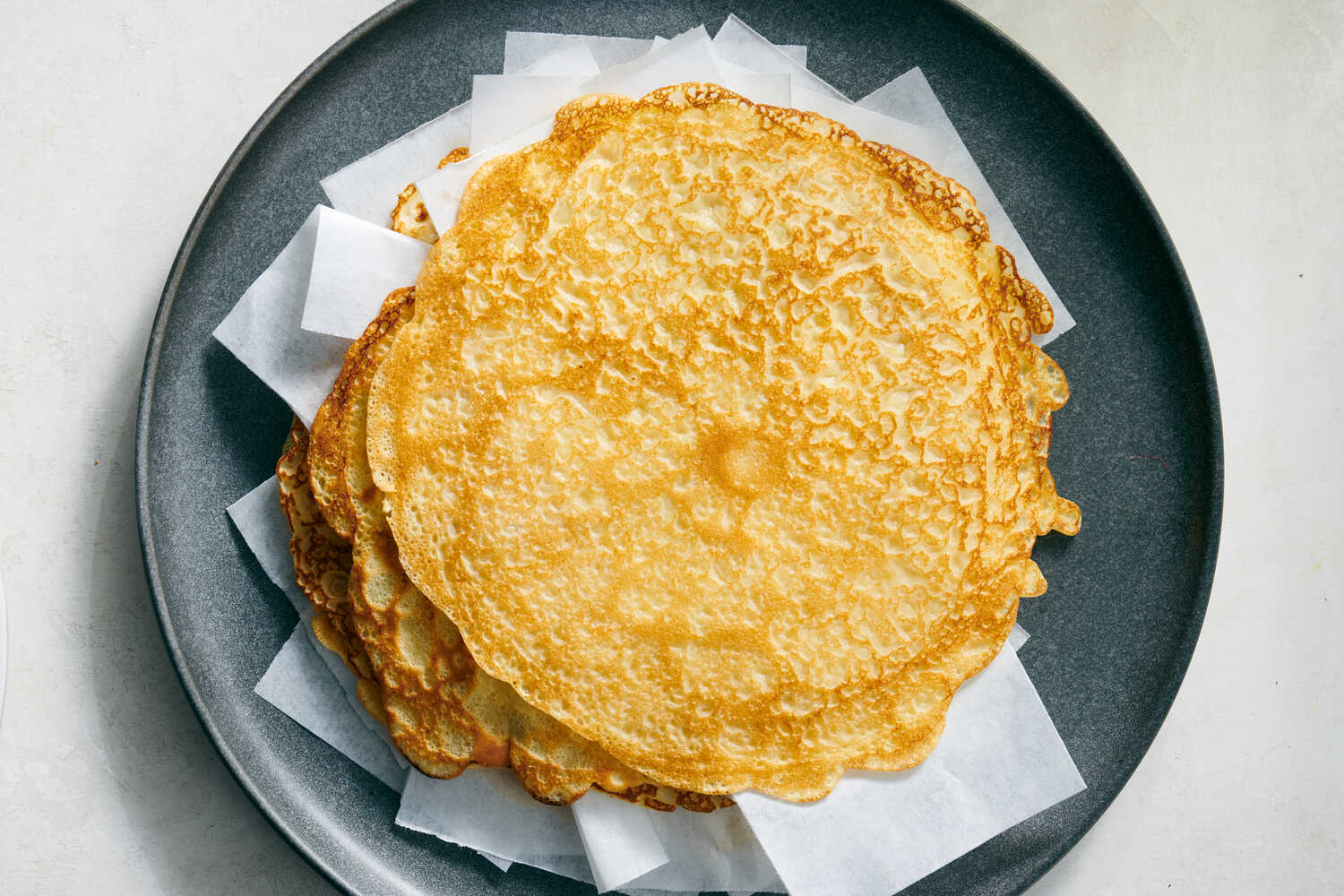
As you finish each crepe, stack them on a plate. You can cover them with a clean kitchen towel or foil to keep them warm and moist while you continue cooking the rest of your batch. This also allows them to steam slightly, making them even more tender and pliable, ready for your favorite fillings.
Unleashing Creativity: Sweet & Savory Crepes Recipe Variations
The beauty of any crepes recipe lies not just in the crepe itself, but in the endless possibilities for fillings and toppings. Whether you lean towards the decadent and sweet or the robust and savory, crepes are a versatile canvas waiting for your culinary brushstrokes.
Let's start with the delightful world of
sweet crepes. The classics are beloved for a reason:
- Lemon and Sugar: A timeless French favorite, simple yet sublime. A squeeze of fresh lemon juice and a sprinkle of granulated sugar brings out the delicate flavor of the crepe.
- Nutella and Banana: A rich, crowd-pleasing combination. Spread generously with Nutella and layered with sliced bananas.
- Berries and Cream: Fresh seasonal berries (strawberries, blueberries, raspberries) paired with a dollop of whipped cream or crème fraîche.
- Cinnamon Apple: Sautéed apple slices with cinnamon and a touch of brown sugar, perhaps with a scoop of vanilla ice cream.
To elevate your sweet crepes further, consider infusing your batter with flavor. A splash of vanilla extract, a hint of citrus zest (orange or lemon), or even a tablespoon of Grand Marnier or rum can add an extra layer of aroma and taste. For a truly indulgent experience, try a chocolate crepes recipe by adding cocoa powder to your batter, then fill with cherry compote or white chocolate mousse.
But crepes aren't just for dessert. They make fantastic vessels for
savory fillings, suitable for breakfast, lunch, or a light dinner.
- The Crêpe Complète: A quintessential French savory crepe. Fill with ham, shredded Gruyere cheese, and top with a fried egg. The yolk breaking over the warm ingredients is pure bliss.
- Spinach and Feta: Sautéed spinach, crumbled feta, and a touch of garlic make for a delightful vegetarian option.
- Chicken and Mushroom: Creamy chicken and mushroom filling, often bound with a béchamel sauce, transforms crepes into a comforting meal.
- Smoked Salmon and Dill Cream Cheese: A sophisticated choice, perfect for brunch. Spread with herbed cream cheese, layered with smoked salmon, and garnished with fresh dill.
- Ratatouille Crepes: A taste of Provence! Fill with homemade ratatouille and a sprinkle of fresh herbs.
When serving, consider how you fold or roll your crepes. They can be folded into quarters, rolled like burritos, or layered and stacked into a beautiful "crepe cake" with alternating layers of filling. Presentation matters, so garnish with fresh herbs, a dusting of powdered sugar, or a drizzle of sauce to make your crepes recipe truly shine.
Troubleshooting Your Crepes Recipe: Common Issues and Solutions
Even with the best crepes recipe and careful technique, sometimes things don't go exactly as planned. Don't despair! Most common crepe mishaps are easily fixable. Understanding the root cause of the problem will turn you into a crepes recipe master in no time. For even more advanced tips and gourmet ideas, don't miss
crepes recipe - Article 3.
Crepes Sticking to the Pan
This is one of the most frustrating issues.
- Solution: Ensure your pan is adequately hot before pouring the batter. Too cool, and the crepe won't release. Also, make sure the pan is lightly greased, especially for the first few crepes. If using a well-seasoned cast iron or carbon steel pan, ensure it's properly seasoned. Your batter might also be too thick, leading to heavier crepes that are harder to lift.
Crepes Tearing When Flipping
A delicate crepe can be prone to tearing.
- Solution: This often happens if the crepe hasn't cooked long enough on the first side. Wait until the edges are firm and dry, and the surface looks set before attempting to flip. Another cause could be a batter that's too thin; add a tablespoon of flour at a time until the consistency improves. Finally, ensure your batter has rested sufficiently; under-rested batter has tight gluten, making it less pliable and more prone to tearing.
Crepes That Are Too Thick or Rubbery
You're aiming for paper-thin, tender crepes, not pancakes!
- Solution: If your crepes are thick, your batter is likely too thick. Thin it out by whisking in milk or water, one tablespoon at a time, until it reaches the desired consistency. Rubbery crepes are usually a sign of overmixing the batter, which overdevelops the gluten, or cooking them for too long. Ensure you're only cooking each side until golden and set, not crispy.
Crepes Not Browning Evenly
Patchy or uneven browning affects presentation.
- Solution: This is almost always a heat distribution issue. Make sure your pan is heated evenly across its surface. If you're cooking on an electric stove, preheating the pan for a bit longer can help. If your pan is warped, it might heat unevenly; consider replacing it. Also, ensure your pouring and swirling technique covers the pan evenly.
First Crepe Always Fails ("The Sacrifice Crepe")
It's a common adage that the first crepe is always a throwaway.
- Solution: While often true, it doesn't *have* to be. The first crepe is essentially your "test run" for pan temperature and batter consistency. Use it to adjust your heat, add more grease, or thin out your batter if needed. Don't get discouraged; the subsequent crepes will likely be perfect!
Mastering a crepes recipe is a rewarding culinary journey. By understanding the nuances of batter preparation, honing your cooking techniques, and knowing how to troubleshoot common issues, you'll be creating exquisite crepes that impress every time.
In conclusion, crafting the perfect crepe is an art form that blends simple ingredients with precise techniques. From allowing your batter to rest and relax, to deftly swirling it in a hot pan, every step contributes to the delicate texture and exquisite flavor of the final product. Don't be afraid to experiment with different fillings, both sweet and savory, and remember that practice makes perfect. The joy of presenting a stack of golden, tender crepes, ready to be adorned with your favorite toppings, is unparalleled. So, go forth, embrace the process, and enjoy the delicious rewards of your perfected crepes recipe!